

Temperature Monitoring in Plastic Moulding Manufacturing
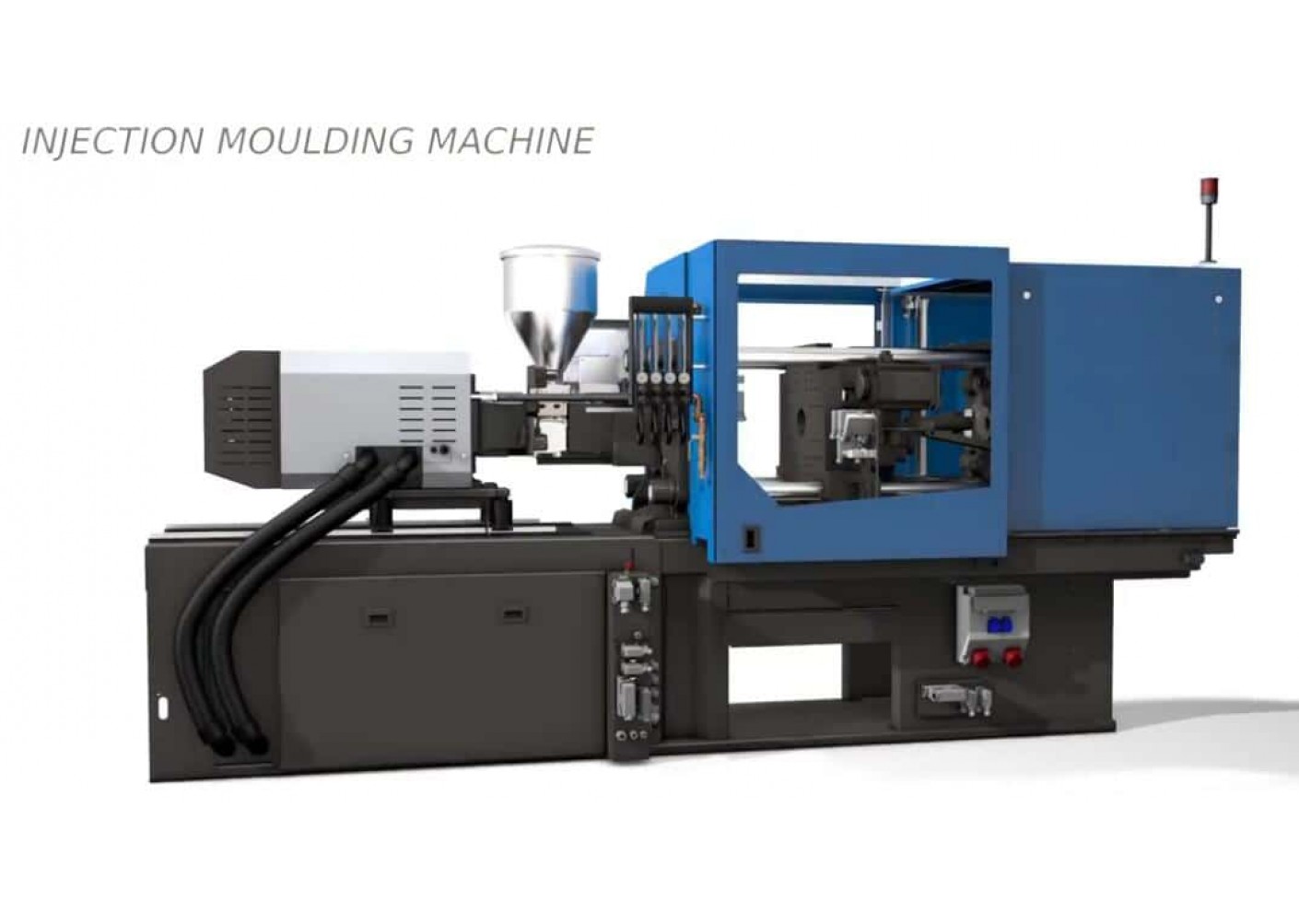
The Importance of Temperature Monitoring in Plastic Moulding Manufacturing.
In the competitive and fast-paced world of manufacturing, plastic moulding has established itself as a cornerstone of production processes. From automotive parts to consumer goods, plastic components are ubiquitous in modern life. Achieving consistent quality in plastic moulding hinges on a variety of factors, with temperature control standing out as a critical parameter. This blog explores why temperature monitoring is essential, the challenges involved, and how advanced technology is shaping the future of this vital aspect of manufacturing.
The Role of Temperature in Plastic Moulding.
Plastic moulding involves shaping molten plastic into a specific form using moulds. The process relies on precise control of temperature at various stages, including:
-
Plastic Melting: The raw plastic material must be heated to a specific temperature to ensure proper melting. Too low a temperature can lead to uneven melting, while excessive heat may degrade the material, compromising its properties.
-
Mould Temperature: The mould must be maintained at an optimal temperature to ensure the proper flow of molten plastic and achieve the desired part quality. An incorrect mould temperature can cause defects like warping, shrinkage, or surface imperfections.
-
Cooling Phase: After the plastic is shaped, controlled cooling ensures that the component solidifies uniformly without introducing internal stresses or deformities.
Challenges in Temperature Monitoring ⏳
Maintaining the right temperature at every stage of the plastic moulding process is easier said than done. Here are some common challenges manufacturers face:
- Fluctuations in Ambient Conditions: Changes in the surrounding environment can affect machine performance and mould temperatures.
- Material Variability: Different types of plastics have unique melting points and thermal properties, requiring customized temperature settings.
- Complex Mould Designs: Intricate mould designs can create hot or cold spots, leading to uneven temperature distribution.
- Rapid Production Cycles: In high-speed manufacturing, achieving and maintaining precise temperatures becomes increasingly difficult.
The Consequences of Poor Temperature Control ❌
Failing to monitor and control temperature accurately can result in:
- Defective Products: Issues like warping, burn marks, and incomplete mould filling can occur.
- Increased Waste: Defective parts lead to higher material waste and costs.
- Equipment Damage: Prolonged exposure to improper temperatures can damage moulds and other machinery.
- Reduced Efficiency: Inconsistent temperature control often requires rework, slowing down production cycles.
Advances in Temperature Monitoring Technology⚛️
Modern manufacturing has embraced cutting-edge solutions to address the challenges of temperature monitoring. Here are some notable advancements:
- Infrared Sensors: Non-contact sensors provide real-time temperature readings without interfering with the process.
- Thermocouples and RTDs: These sensors are highly reliable for monitoring specific points within the moulding machinery.
- IoT and Smart Systems: Connected devices enable remote monitoring, predictive analytics, and automated adjustments to maintain optimal temperatures.
- Thermal Imaging Cameras: These allow for the visualization of temperature distribution across mould surfaces, helping identify and address hot or cold spots.
Best Practices for Effective Temperature Monitoring
To ensure optimal results, manufacturers should adopt the following best practices:
- Calibrate Equipment Regularly: Ensure that all sensors and monitoring devices are calibrated for accurate readings.
- Train Staff: Equip operators with the knowledge to understand and respond to temperature-related issues.
- Conduct Preventive Maintenance: Regularly inspect moulds, heaters, and cooling systems to avoid unexpected failures.
- Leverage Data: Use historical temperature data to identify trends and improve processes.
Conclusion ✅
Temperature monitoring is not merely a technical necessity in plastic moulding—it’s a strategic enabler of quality, efficiency, and competitiveness. By investing in advanced temperature control systems and adhering to best practices, manufacturers can achieve consistent product quality, reduce waste, and streamline their operations. As technology continues to evolve, the potential for even more precise and intelligent temperature management in plastic moulding is vast, paving the way for innovation and excellence in manufacturing.
Our PID temperature controllers can be used to retrofit on existing machines, or can be fitted on newly designed equipment.